Will your family remember the chaos of your arrival or the calm of your first sunset by the Mediterranean? Touching down at Nice Côte d’Azur Airport, the last thing you want is a logistical headache. The 60-kilometre stretch to Fréjus doesn’t have to mean stress, delays, or overpriced transfers. With the right plan, your journey can be as smooth as the Provençal breeze - setting the tone for a relaxed holiday from the very first moment.
Direct transport solutions for your Fréjus campsite arrival
When you land at Nice Airport, your top priority is getting to your accommodation with minimal fuss - especially with kids, luggage, and jet lag. That’s where seamless transport options make all the difference. Private transfers offer a door-to-door experience, often with child seats and flight monitoring, so you’re met right at arrivals. These services are particularly popular with families heading to premium sites in the Var region.
Private transfers and luxury shuttles
Opting for a private shuttle means no waiting, no missed connections, and no heavy lifting. Drivers typically track your flight, so delays aren’t an issue. Many high-end campsites don’t officially endorse specific providers, but they often recommend pre-booking for peace of mind. After a long flight, finding comfort becomes the priority, which is why renting a mobile home in Fréjus is such a popular choice for families seeking instant relaxation.
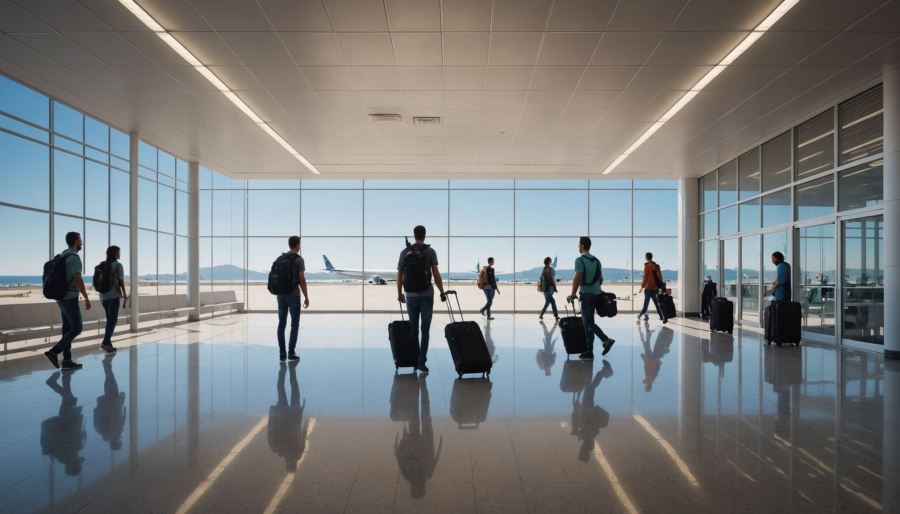
Car rental at Terminal 1 and 2
Renting a car gives you full freedom once you’re on the ground. Most major agencies are based at Terminal 2, but a free shuttle runs every 15-20 minutes from Terminal 1. The drive to Fréjus takes around 45 to 60 minutes via the A8 motorway, depending on traffic. Having your own vehicle also opens up the region - from hilltop villages to hidden coves - without relying on schedules.
Shared shuttle bus services
For budget-conscious travelers, shared shuttles like EasyBus or regional Lignes d’Azur services connect Nice Airport to key towns along the Estérel coast. While not always direct to Fréjus, they drop passengers at central hubs where local taxis or buses can complete the journey. These options are ideal for solo travelers or couples traveling light, with fares starting from 10 € one way.
Comparative overview of travel methods from NCE
Speed vs Cost: Making the right choice
Time and comfort often come at a price. A private transfer might cost several hundred euros, but it’s fixed, reliable, and stress-free. Public transport is far cheaper but involves multiple steps, longer travel times, and less flexibility with luggage. For families, the “cost” of stress matters just as much as the price tag.
Capacity and luggage considerations
Standard rental cars may not fit bulky camping gear or multiple large suitcases. Families should consider station wagons or compact SUVs for better storage. Similarly, shared shuttles may have strict baggage limits, while private vans accommodate extra luggage without issue. Always check vehicle specs before booking.
- Car rental - maximum autonomy, ideal for exploring
- Private chauffeur - maximum comfort, door-to-door convenience
- Shared shuttle - budget-friendly, regular departures
- TER train - scenic route, requires airport-to-station transfer
Evaluating the best routes for your budget
The scenic train journey via Saint-Raphaël
The TER Provence-Alpes-Côte d’Azur line offers one of the most picturesque rail routes in Europe, hugging the coastline between Nice and Fréjus. To catch it, you’ll first need to take a shuttle or taxi to Nice Saint-Augustin station, about 5 km from the airport. From there, the train ride to Fréjus takes roughly 1 hour and 15 minutes, with changes usually in Cannes or Saint-Raphaël.
Group travel and shared costs
For groups of six or more, splitting the cost of a private minivan transfer can actually be cheaper than buying individual bus or train tickets. It also eliminates the hassle of coordinating multiple connections. Pre-booking ensures availability, especially during peak season when shared services fill up quickly.
| Mode of Transport | Estimated Duration | Typical Price Range (Family of 4) |
|---|---|---|
| Car rental | 45-60 min | 60-100 € + fuel/tolls |
| Private transfer | 50-70 min | 180-280 € |
| Shared shuttle | 90-120 min | 40-80 € |
| Train (TER) | 1h 30 min + transfer | 30-50 € |
Smart logistics for a stress-free French Riviera landing
Navigating Nice Airport terminals
Nice Airport has two main terminals. Most low-cost carriers, including EasyJet and Ryanair, arrive at Terminal 1, while larger airlines use Terminal 2. Car rental desks are only in Terminal 2, so plan for the 10-minute shuttle ride between them. Signs for “Location de voitures” are clear, but allow extra time during peak hours.
Handling tolls and traffic peaks
The A8 motorway, known as “La Provençale,” includes several tolls between Nice and Fréjus. Rental cars usually come with a toll transponder, but you’ll pay the fees later. Be aware that traffic builds quickly on Friday afternoons and Sunday evenings, especially in July and August. Aim to travel mid-morning or late evening to avoid congestion.
Pre-booking vs last-minute arrangements
While it’s possible to arrange taxis or shuttles on arrival, queues can be long - and uncomfortable - in summer heat. Pre-booking guarantees availability and often locks in a better rate. For rental cars, early reservations ensure access to preferred vehicle types, especially larger models in high demand.
Essential amenities upon arrival in Fréjus
Settling into your luxury accommodation
After hours of travel, stepping into a cool, welcoming space makes all the difference. Many premium campsites in Fréjus offer mobile homes with air conditioning, fully equipped kitchens, and private wooden terraces. These aren’t basic cabins - they’re designed for comfort from day one. Some even include extras like linen, towels, and end-of-stay cleaning, so you can unpack and unwind immediately.
The best sites are set in wooded areas, offering shade and privacy. After a long journey, having a shaded terrace to enjoy a drink or a meal outdoors helps reset the mood - especially for children needing to stretch their legs in a safe, green environment.
Exploring beyond the campsite gates
Nearby attractions accessible from Fréjus
Once you’ve settled in, the region opens up beautifully. Fréjus sits between the sea and the hills, making it a perfect base. The beaches are just a short drive or shuttle ride away, while inland, the Verdon Gorge and villages like Mougins or Tanneron are within reach. With your own transport, day trips to Saint-Tropez or the Mercantour National Park become realistic and rewarding.
Local transport links for day trips
Even without a car, many campsites offer seasonal beach shuttles during summer. Local bus networks also connect major coastal towns. Plus, the area is increasingly bike-friendly, with dedicated paths along the coast and through pine forests. Once you’re settled, you might find you don’t need the car every day - just when you want to explore further afield.
Common Questions
Is it possible to take a direct train from inside Nice Airport to Fréjus?
No, there is no train station inside Nice Airport. You’ll need to take a shuttle or taxi to Nice Saint-Augustin station, about 5 km away, to access the TER line toward Fréjus. The journey includes at least one change, usually in Cannes or Saint-Raphaël.
How does a private shuttle compare to a standard taxi for large families?
Private shuttles often offer fixed pricing, larger vehicles like minivans, and included child seats. Taxis, by contrast, use a meter and may not have suitable vehicles readily available. For families, shuttles provide better value and comfort, especially with luggage.
What happens if my flight arrives late at night at NCE?
Some private transfer companies offer 24/7 service, but availability depends on pre-booking. Car rental desks close at night, so returning a vehicle after midnight isn’t possible. Late arrivals should confirm service hours in advance to avoid delays.
Are there new electric shuttle options available this season?
While fully electric shuttle services from Nice Airport to Fréjus are still limited, many private transfer providers now offer hybrid or electric vehicles upon request. The region is gradually expanding eco-friendly transport, especially for premium clients.
How long should I allow for the return trip during the summer peak?
During peak season, allow at least 90 minutes for the return trip to Nice Airport, even though the drive is normally under an hour. Traffic on the A8 can be heavy, especially on Sunday afternoons, so extra time prevents last-minute stress before your flight.
